27 June 2026
The History of Wedding Rings
Wedding rings, those circular symbols of eternal commitment exchanged between partners on their special day, hold a significance that transcends mere adornment.
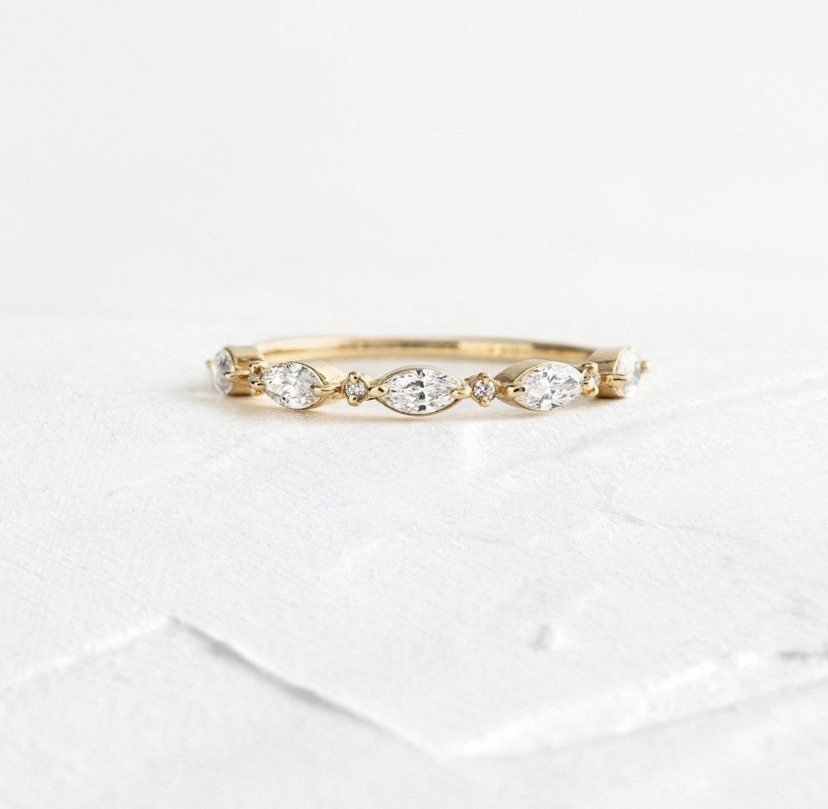
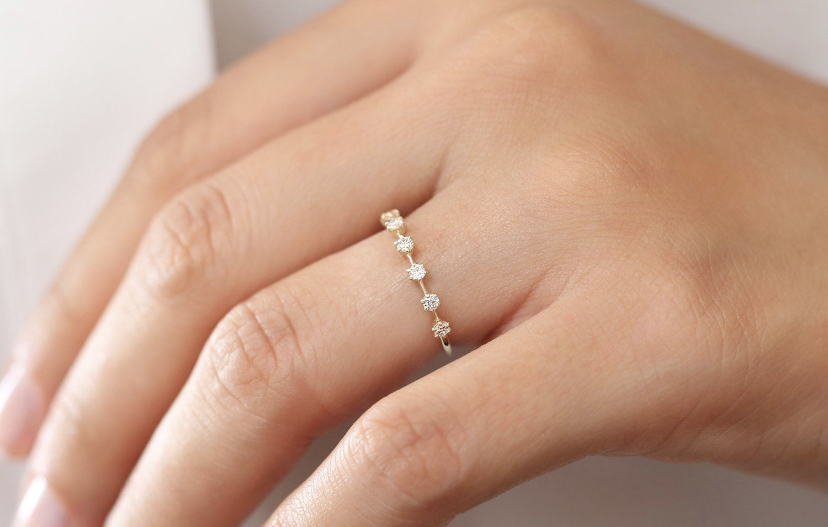
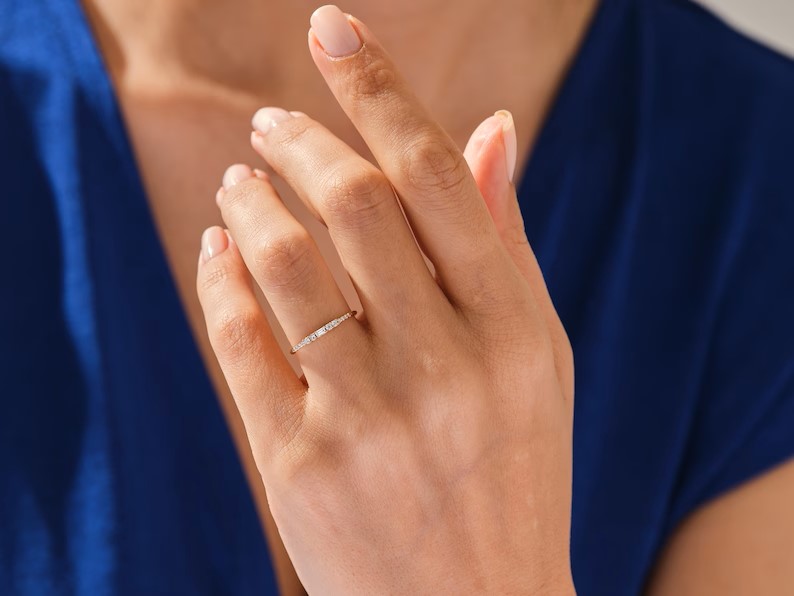
A wedding ring, also referred to as a wedding band, is a symbolic piece of jewelry exchanged between partners during a marriage ceremony. Typically made of precious metals such as gold, platinum, or silver, wedding rings are circular in shape and are worn on the fourth finger of the left hand.
Importance of Wedding Rings in Various Cultures
- Symbol of Love and Commitment: In many cultures, exchanging wedding rings is a tangible symbol of the love and commitment between partners.
- Cultural Traditions: Wedding ring customs vary among cultures, but the underlying significance remains consistent.
- Blessings and Well-Wishes: In some cultures, wedding rings are believed to bestow blessings and good fortune upon the couple.
- Family Heirlooms: Wedding rings are sometimes passed down as cherished family heirlooms, carrying the stories and legacies of previous generations.
- Social Status and Identity: In certain cultures, wearing a wedding ring is a social marker of marital status and fidelity.
Ancient Origins
Earliest Evidence of Wedding Rings
The history of wedding rings dates back thousands of years, with some of the earliest evidence found in ancient civilizations. One of the earliest known examples comes from ancient Egypt, where couples exchanged rings made from natural materials like braided reeds or hemp.
Symbolism in Ancient Civilizations
- Egyptians: In ancient Egypt, the circle was seen as a powerful symbol of eternity and completeness. Wedding rings represented the eternal bond between spouses.
- Romans: The Romans adopted the tradition of wedding rings from the Egyptians. Rings were often made from durable materials like iron or gold, symbolizing the strength and permanence of marriage.
Medieval and Renaissance Period
As the sands of time continued to flow, wedding ring customs evolved, particularly during the Medieval and Renaissance periods. This era witnessed the embellishment of rings with precious gemstones and intricate engravings. The Christian Church played a pivotal role in formalizing the exchange of rings as an integral part of marriage ceremonies.
Modern Era
The advent of the modern era, marked by the Industrial Revolution, revolutionized the production and accessibility of wedding rings. With mass production techniques, these symbols of love became more attainable. The evolution of materials and designs opened up many options, ranging from traditional gold bands to contemporary choices like titanium, platinum, and even unconventional materials such as wood or silicone.
Contemporary Trends
In the contemporary landscape, the influence of media and pop culture cannot be overstated. Celebrities flaunt their extravagant rings, setting trends and shaping couples' preferences worldwide. Additionally, there is a growing emphasis on personalization, with couples seeking unique designs that reflect their individuality and shared experiences.
In summary, the evolution of wedding rings covers centuries of human history, yet their intrinsic symbolism remains steadfast.