How to Choose the Perfect Engagement Ring
A gemologist's complete guide to the Four Cs, settings, and the decisions that will matter for a lifetime.
An engagement ring is the most considered purchase most people will ever make — not because of its price, but because of what it represents. The stone you choose will be on a finger every day for decades. It deserves more than a rushed decision under a glass counter.
Understanding the Four Cs
The Gemological Institute of America introduced the Four Cs — Cut, Colour, Clarity, and Carat — as a universal language for describing diamond quality. Each factor influences price and appearance differently, and understanding the trade-offs is essential before you spend a rupee.
Cut: The Most Important C
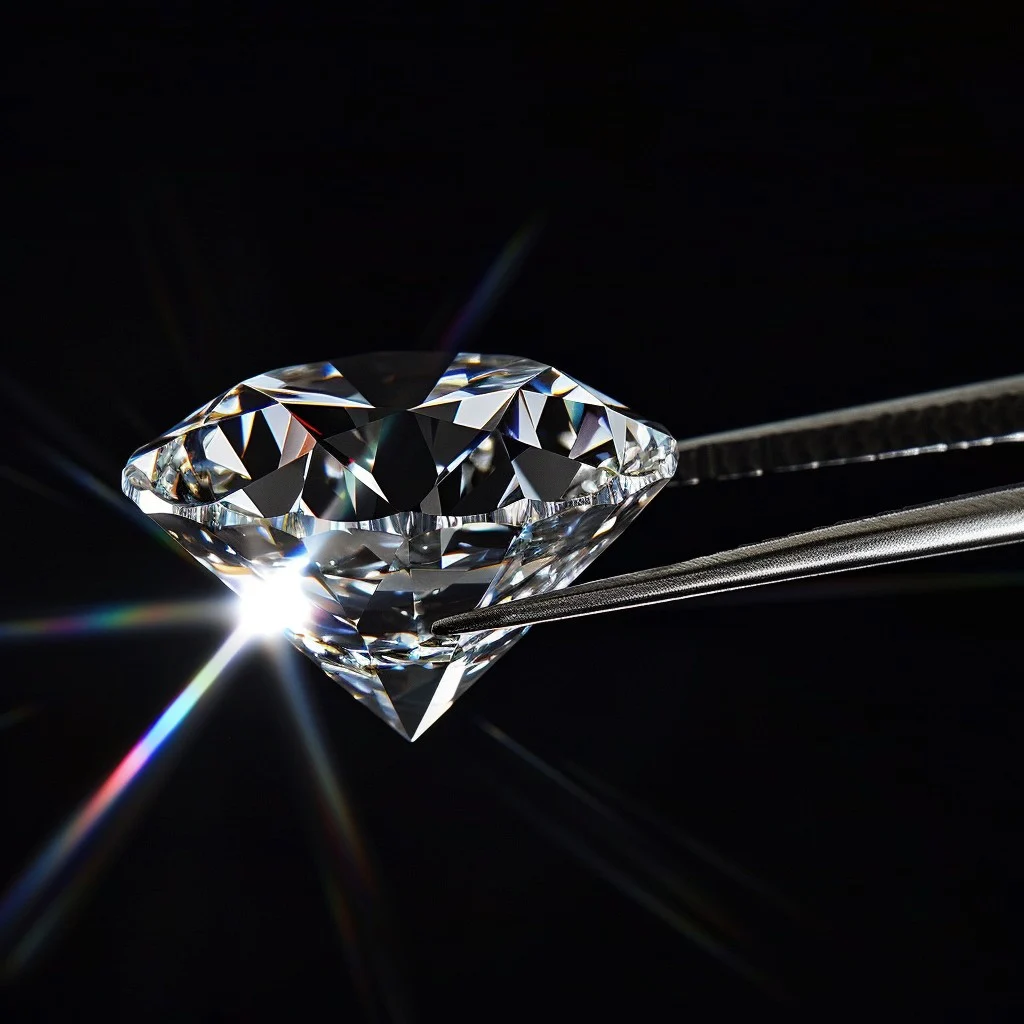
Cut is the only C entirely controlled by human hands, and it is the single greatest determinant of a diamond's brilliance. A poorly cut stone of superior colour and clarity will look dull beside a well-cut stone of modest colour. At The Karat Store, we grade cut on a five-point scale and stock only Excellent and Very Good.
“A stone that is cut too shallow leaks light from the bottom. Too deep, and light escapes through the sides. Only a precise depth-to-table ratio creates the mirror effect that makes a diamond appear to glow from within.”
Colour: Near-Colourless Is the Sweet Spot
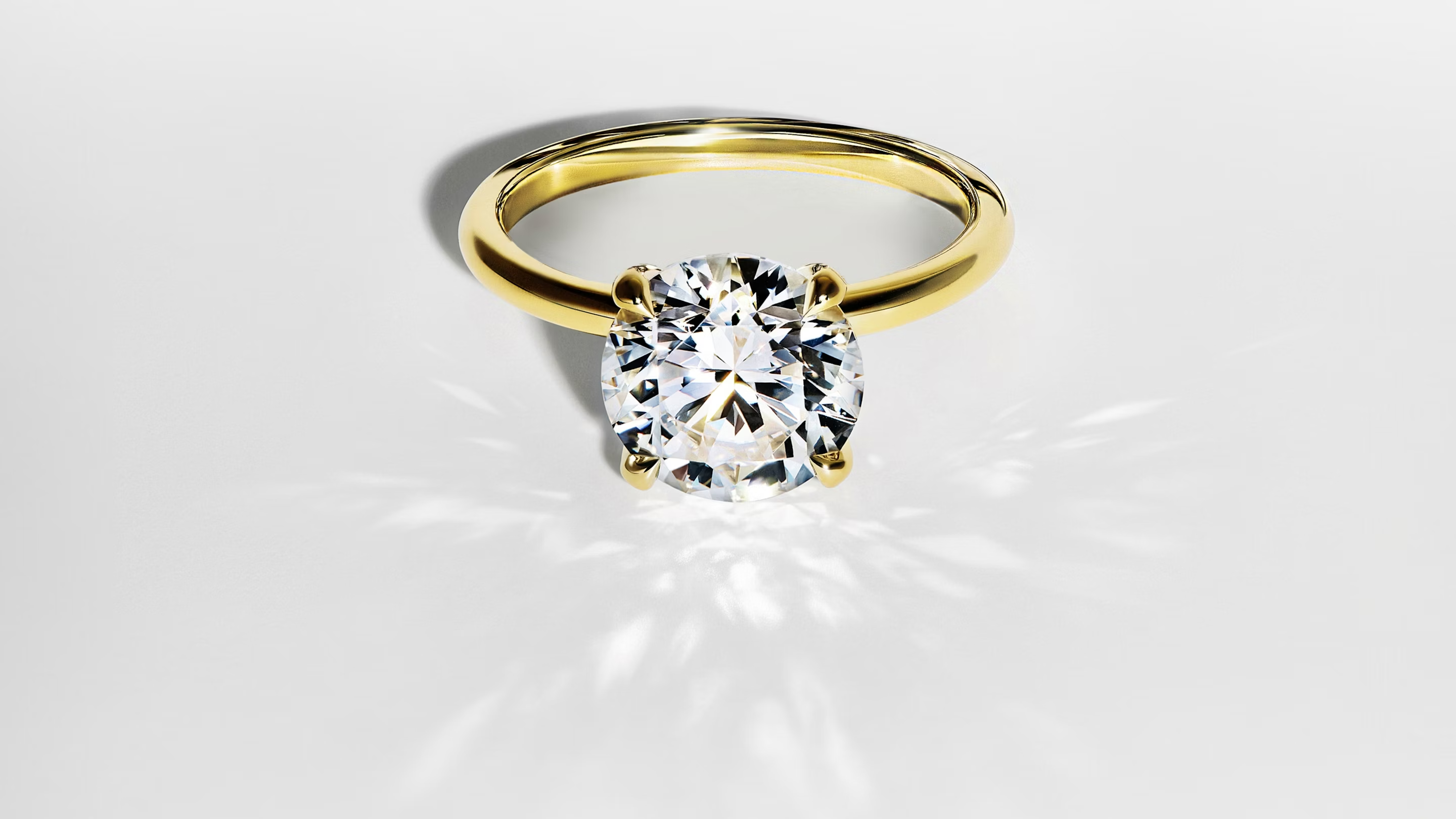
Diamond colour is graded D (colourless) through Z (light yellow). Most buyers fixate on D and E — the rarest grades — when in practice, an F or G stone set in yellow gold is visually identical to a D stone at meaningfully lower cost. The warmth of 18k yellow gold actually flatters near-colourless stones far more than a cold platinum setting.
- ◆D–F (Colourless): Exceptional rarity; recommended only for platinum or white-gold settings
- ◆G–H (Near-colourless): Visually colourless to the naked eye; ideal for yellow and rose gold
- ◆I–J (Near-colourless): Slight warmth visible in larger stones; best in yellow gold
- ◆K and below: Visible warmth; recommended only if antique character is desired
Clarity: Most Inclusions Are Invisible
Clarity grades range from Flawless (FL) to Included (I3). The practical threshold is VS2 — Very Slightly Included, level 2 — where inclusions are invisible to the naked eye but visible only under 10× magnification. For engagement rings below 1.5 ct, an SI1 stone with a clean table (no central inclusions) is an excellent and honest choice.
Carat: Size Is Relative
Carat is a measure of weight (one carat = 0.2 grams), not dimension. A 1.00 ct round brilliant has a diameter of approximately 6.5 mm. The illusion of size is better achieved through setting style and stone shape than by chasing a round-number carat weight. An oval of 0.90 ct typically appears larger than a round of 1.00 ct due to its elongated face-up area.
Setting Styles
The setting holds the stone and frames it against the wearer's hand. It is as important as the stone itself in determining the ring's overall character.
- ◆Solitaire: A single stone on a plain band. Timeless, endlessly wearable, never competes with the stone.
- ◆Pavé: Small diamonds set into the band. Adds brilliance and perceived size without changing the centre stone.
- ◆Halo: A ring of smaller diamonds surrounds the centre. Maximises the visual size of the centre stone.
- ◆East-West: The stone is set horizontally. Modern, architectural, particularly effective with oval and marquise cuts.
- ◆Bezel: A rim of metal encircles the stone. The most secure setting; gives a sleek, contemporary look.
Metal Choice
Platinum is the hardest precious metal and holds prongs more securely over decades. It is the correct choice for colourless (D–F) diamonds. 18k yellow gold (75% gold) is warmer, slightly softer, and shows scratches — which many wearers prefer, as the metal acquires a patina. 18k rose gold is fashionable and flatters warm skin tones, but the copper in its alloy makes it the least hypoallergenic of the three.
“We always recommend 18k over 14k for engagement rings. The extra 4% gold content means the alloy polishes to a deeper, richer colour — and at the quantities used in a ring band, the price difference is less than ₹8,000.”
Certification
Every diamond above 0.30 ct should come with an independent grading report. We accept only GIA (Gemological Institute of America) and IGI (International Gemological Institute) certificates — the two laboratories whose standards are consistent enough to be meaningful. A certificate from an in-house or unknown laboratory is not a certificate. It is a piece of paper.
At The Karat Store, every stone arrives with its original certificate and a QR code linking to the digital record. You will also receive a signed appraisal letter from our senior gemologist for insurance purposes.